Quick answer
After flood, fire or storm damage, the first 24 hours are about safety, then five cash jobs: notify your insurer and photograph everything, work out what cash is available and what's due this week, call the ATO before any due date you'll miss, talk to staff and key suppliers, and decide whether you need bridging money while claims are assessed. Official help for declared disasters is listed by area on DisasterAssist.
Key points
- Safety and people come before any money decision.
- Photograph damage and notify your insurer as early as possible.
- Call the ATO before a due date you can't meet, not after.
- Map the next four weeks of cash before choosing any funding.
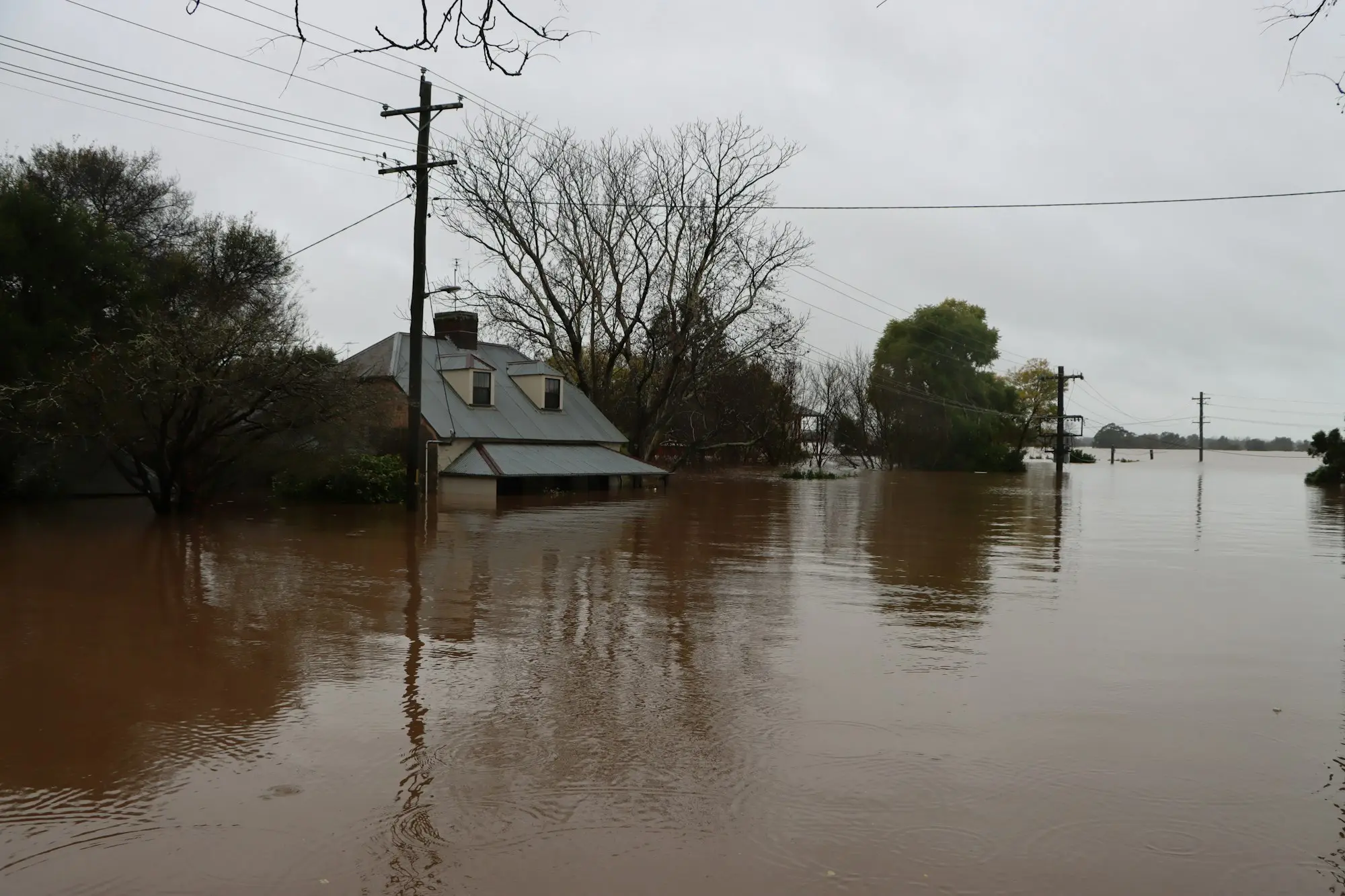
When a flood goes through the shop, a fire takes out the workshop or a storm tears the roof off the warehouse, money is not the first thing on anyone’s mind — and it shouldn’t be. People come first. But once everyone is safe and the immediate danger has passed, a few cash decisions made in the first 24 hours can make the following weeks far more manageable.
This guide sets out those decisions in order. It’s deliberately practical: what to do, who to call and what to write down.
Hour zero: safety first
Follow the directions of emergency services. Don’t enter damaged buildings until it’s safe. Check on staff and make sure everyone is accounted for. Nothing in the rest of this guide matters more than that.
Hours one to four: document everything and call the insurer
As soon as it’s safe:
- Photograph and video the damage — building, stock, equipment, vehicles, records — before anything is moved or cleaned up.
- Notify your insurer and ask what they need from you, whether they’ll send an assessor, and what you’re allowed to clean up or throw out before they see it.
- Start a loss list — even rough notes of what’s damaged, with approximate values.
- Keep every receipt for emergency spending: pumps, tarps, temporary storage, cleaning.
Insurance often takes time to assess and pay. That’s normal, and it’s why the next steps focus on the cash you have now.
Hours four to eight: what cash do you have, and what’s due?
Sit down with online banking and map the next four weeks. business.gov.au’s cash-flow guidance is built around exactly this kind of view: what’s coming in, what’s going out and where the gap falls.
| This week | Next three weeks |
|---|---|
| Cash in the bank today | Expected customer payments (if you can still trade) |
| Wages and super due | Wages and super |
| Rent and loan repayments | Rent and loan repayments |
| Urgent supplier payments | Supplier bills |
| Emergency repair and clean-up costs | Tax due dates |
Mark anything you can pause, delay or negotiate. Many creditors will work with a business that’s clearly been hit by a disaster — but only if they hear from you.
Hours eight to 12: call the ATO before, not after
If a BAS, PAYG or other tax deadline is coming up and you won’t make it, the ATO’s advice is to phone before the due date so you can work together to reduce the risk of a penalty. It offers support including lodgement extensions, payment plans and, depending on circumstances, remission of interest or penalties. It can also help replace tax records lost or damaged in a natural disaster.
Write down who you spoke to, when, and what was agreed. If you already had a tax debt before the disaster, see ATO debt and fast loans for how it fits into any funding conversation.
Hours 12 to 18: staff, customers and suppliers
- Staff: tell them what’s happened, what you know and when you’ll update them next. Keep paying wages and super on time where you can — Payday Super deadlines still apply.
- Customers: a short, honest message about what’s affected and what you’re doing about it protects relationships.
- Suppliers: ask for time on bills that aren’t urgent and pause deliveries you can’t receive.
- Landlord: if you rent, notify them in writing and check the lease for what happens when premises can’t be used.
Hours 18 to 24: do you need bridging money?
By now you should know the size of the gap between the cash you have and what you need over the next few weeks. Options include:
- Government assistance: DisasterAssist lets you search the local government areas declared as natural disasters, where people can apply for disaster recovery payments, and points to other agencies. Check what applies in your area.
- Insurance: some policies make early or interim payments; ask.
- Existing facilities: headroom on a line of credit or overdraft.
- Short-term funding: same-day funding is possible for smaller unsecured amounts, and property-secured loans from $20k to $250k are possible the same day when paperwork is ready — useful when reopening quickly is worth more than waiting.
The guide to raising business cash fast ranks each option by speed, and the 24-Hour Funding Clock shows how quickly outside money could realistically land for your state and security. If bridging looks sensible, you can start a 60-second enquiry and explain what’s happened — the specialist will understand that some paperwork may take longer to find.
What if your records are damaged?
Most of what a lender or the ATO needs can be rebuilt online:
- Bank statements from online banking.
- Tax records and account balances from the ATO’s online services.
- Invoices and payroll from cloud accounting software.
- ID — if originals are lost, start replacements immediately, as they’re needed for almost everything.
- Property documents — a council rates notice can usually be reissued by the council.
Illustrative example: a flooded café
Illustrative scenario only. A riverside café is inundated overnight. Once the water recedes and the building is declared safe, the owners photograph everything and lodge an insurance claim before lunch. Their cash map shows about $30k needed over three weeks for wages, a refrigeration replacement and a deep clean, before any insurance money is likely.
They call the ATO to arrange extra time on an upcoming BAS, ask their main supplier to pause deliveries, and arrange a small short-term loan secured against their home. The café reopens with a reduced menu in 12 days, well before the insurance assessment is finalised, and the loan is repaid when the claim is paid.
Week two onwards: keeping the recovery funded
The first 24 hours are about stabilising. The following weeks are about getting trading again without running out of cash while insurance and assistance are worked through. A few habits help:
- Update the cash map weekly. Replace estimates with actual figures as bills arrive and claims progress.
- Keep emergency costs separate. A simple spreadsheet or a separate category in your accounting software makes the insurance claim and your accountant’s job much easier.
- Stay in touch with the insurer. Ask for written confirmation of what’s covered and when payments are expected. Interim payments are sometimes possible.
- Reopen in stages. A partial reopening — a reduced menu, a temporary site, a pop-up stall — can restart cash flow weeks before a full rebuild.
- Review every agreement you paused. Supplier holds, ATO arrangements and rent concessions all need to be picked up again on time.
- Look after yourself and your team. Recovery is a long effort. Decisions made while exhausted are rarely the best ones.
If a funding need emerges during this period — an equipment replacement ahead of the insurance payout, for example — the same rule applies as in the first 24 hours: be clear about the amount, the deadline and the exit before you borrow.
Get back on your feet sooner
Disasters don’t wait for a convenient moment, and recovery goes faster when cash isn’t the bottleneck. If you need bridging money to reopen or keep staff on, the enquiry takes about 60 seconds and there’s no credit check when you first enquire. Your details stay with one team, not scattered across a list of lenders, and a real person listens to what’s happened before suggesting anything. Please fill in the form as accurately as you can — the amount, what it’s for and when you need it — so the first conversation is the useful one.
Frequently asked questions
What should a business do first after a flood or fire?
Make sure people are safe and follow emergency services' directions. Once it's safe, photograph the damage, notify your insurer, and start a simple list of what's been lost and what bills are due.
Can the ATO give me more time after a natural disaster?
The ATO says to phone before the due date so it can work with you to reduce the risk of a penalty. It offers options such as lodgement extensions and payment plans, and can help replace lost or damaged tax records.
How do I find government help for a disaster?
DisasterAssist lets you search for local government areas declared as natural disasters, where people can apply for disaster recovery payments. It also points to other agencies for further help.
Should I borrow while waiting for an insurance payout?
Sometimes. If the business can keep trading or reopen sooner with short-term funding, and the claim or trading income provides a clear exit, bridging can make sense. Work out the numbers first.
What records should I try to save or rebuild?
Bank access, customer and supplier lists, invoices, payroll records and insurance documents. Much of it can be rebuilt from online banking, accounting software and the ATO's online services.